
Autism Community Training is accepting applications for our day program.
Day Program
Individualized instruction. Meaningful experiences. Skills that matter in everyday life.
What We Teach
ACT programming is individualized around each trainee’s strengths, needs, communication abilities, and goals. Instruction focuses on six interconnected areas:
- Communication — expressing wants and needs, making choices, using individualized communication systems, and understanding others.
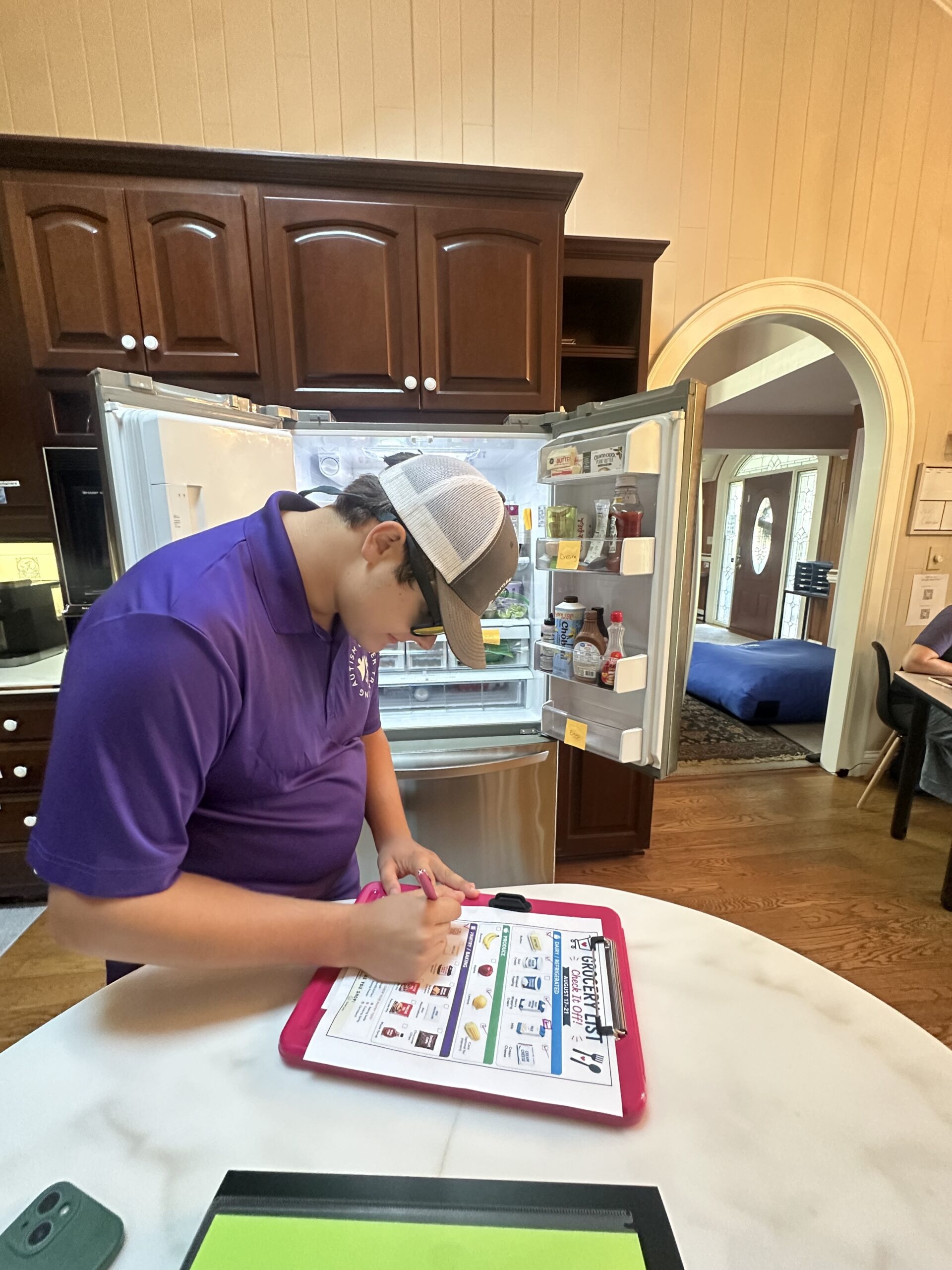
- Daily Living Skills — cooking, shopping, laundry, cleaning, personal routines, organization, and other practical skills used throughout adulthood.
- Social Participation — interacting with others, participating in groups, developing relationships, and learning skills for shared environments.
- Community-Based Instruction — learning to navigate stores, restaurants, recreational spaces, community resources, and other everyday environments safely and successfully.
- Vocational & Volunteer Skills — following routines, completing tasks, using tools and materials, working alongside others, and participating in meaningful volunteer and vocational experiences.
- Self-Regulation & Self-Advocacy — communicating needs, making choices, managing transitions, developing coping strategies, and increasing participation in decisions that affect daily life.
How We Teach
ACT uses structured teaching, visual supports, predictable routines, task analysis, repetition, and hands-on instruction to make learning understandable and meaningful.
Our staff consider the individual trainee when determining what to teach, how to teach it, what level of support is needed, and how skills can be practiced across environments.
We don’t ask, “Where are we going today?”
We ask, “What are we teaching today?”
The program runs five days per week.
Who ACT Serves:
ACT serves adults with autism who benefit from structured instruction, visual supports, individualized teaching, and ongoing assistance to participate successfully in daily routines and community experiences.
Trainees do not need to be independent communicators, readers, or able to complete daily tasks without support. Some trainees may also need behavioral or regulation support.
Because ACT is a community-based program and every individual has different needs, admission is determined through an individualized intake process. We consider communication, support needs, safety, behavior, participation, and ACT’s ability to provide an appropriate environment for the prospective trainee and the current program community.
A diagnosis or support need alone does not determine eligibility.
| Domain | Main Focus | Long-Term Benefit |
|---|---|---|
|
Social Skills Communication Skills Independent Living Skills Living in My Community Prevocational Skills Self-Advocacy/Regulation |
Building relationships, navigating groups Expressing needs and understanding others Daily routines and self-care Community navigation and involvement Readiness for work or volunteering Decision-making and emotional/behavioral regulation |
Greater connection, safety, and community access Stronger relationships and self-representation Independence and autonomy for the future Social inclusion and confidence outside the home Meaningful employment and increased workplace stamina Empowered, balanced, and resilient living |